50th Anniversary of the 1976 Students’ Uprising
1976@50
Within months 1976 high school student uprising, hundreds of thousands of black students had embarked on protests to reject apartheid education and the system of racial oppression in its entirety.
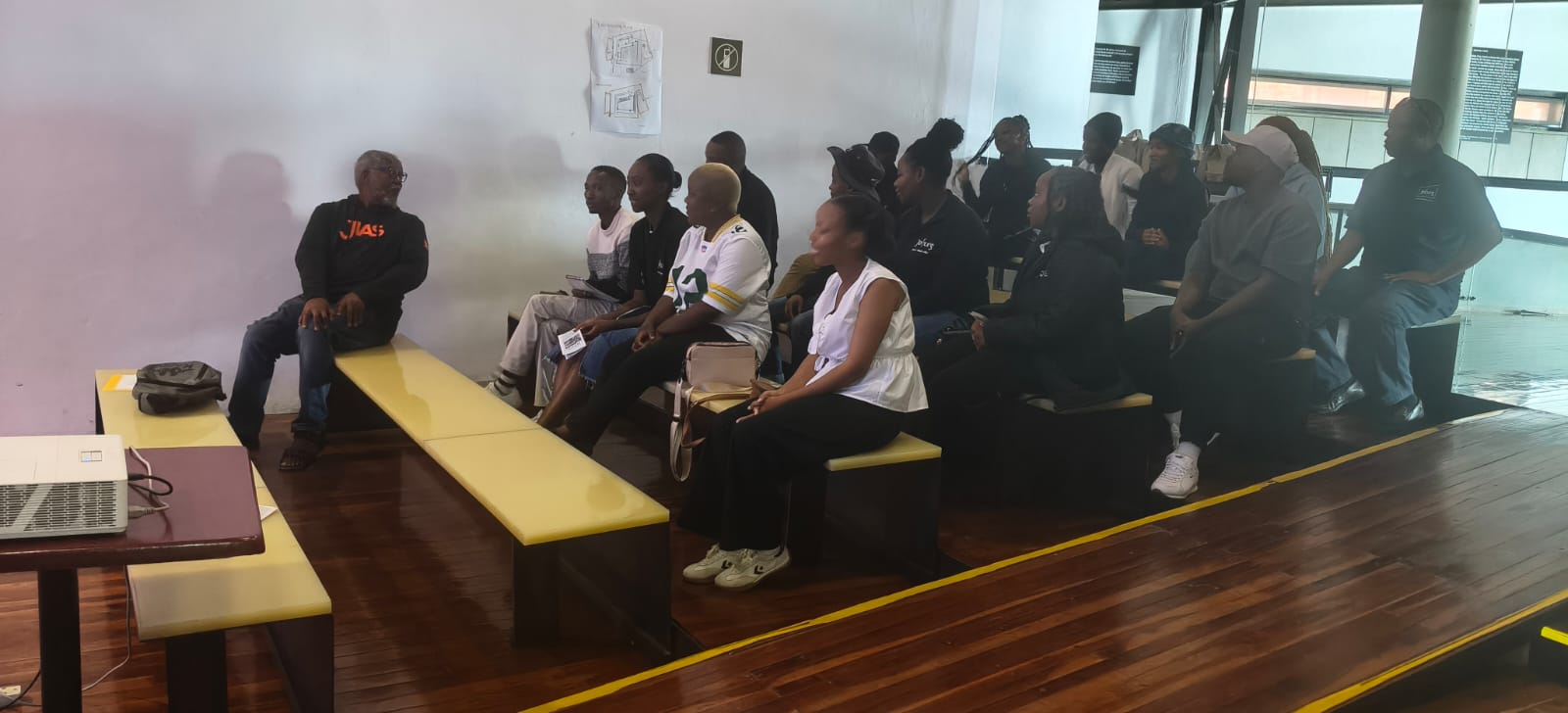
Noor Nieftagodien speaks about the importance of the 1976 uprising
The 1976 high school student uprising marked a decisive turning point in the struggle against apartheid. Starting as a peaceful march by Soweto students against the imposition of Afrikaans as a medium of instruction, the movement spread rapidly to other parts of Johannesburg, the PWV (now Gauteng) and the rest of the country. Within months, hundreds of thousands of black students had embarked on protests to reject apartheid education and the system of racial oppression in its entirety.
They did so in the face of increasing state violence, which resulted in numerous deaths, imprisonment and repression in black areas. Together with the Durban strikes of 1973 and the Black Consciousness-led protests at universities, the high school rebellion was instrumental in the making of the popular uprising that gathered pace from the late 1970s and culminated in the demise of apartheid.
The historic significance of the Soweto uprising of 16 June 1976 and its aftermath have been widely acknowledged: it was commemorated annually as part of the ongoing struggle against apartheid and was proclaimed as a public holiday after the advent of democracy in 1994.

The students’ struggles feature in the national school curriculum and have been the subject of scholarly research. However, there is growing concern about the annual commemoration of Youth Day on June 16, which has become a joyous celebration of youth with only perfunctory references to the radical ideas and practices of 1976. Youth Day is generally also devoid of serious interrogation of the contemporary crises faced by youth, especially black youth and young women who suffer disproportionately from high levels of unemployment, poverty, exclusion and alienation.
There remains a dire lack of knowledge of the history of the uprising, of its underlying causes, the numerous protagonists who shaped the politics and mobilisation of the protests, the national character of the movement, especially in small towns and rural areas, and the ways in which the events of 1976 shaped the terrain of student politics thereafter, including contemporary student movements. Furthermore, there has only been limited research on the place of South Africa’s student movements in relation to students’ struggles against colonialism on the rest of the African continent. Recent protests by what has been labelled ‘the GenZ movements’ in Kenya, Mozambique, Madagascar, Nepal, Peru and elsewhere are testament to the pivotal role of students and youth in global emancipatory politics.